WHEN DATA CENTER OUTAGES IMPACT FINANCIAL SERVICES:
3 RECENT CASES
When the infrastructure behind financial services is disrupted, the effects can spread quickly, affecting customers, institutions and the wider market. Three recent incidents illustrate the potential consequences.
1. BARCLAYS: DISRUPTION AT THE WORST POSSIBLE TIME
The case
In early 2025, a technical failure disrupted several Barclays banking services in the UK. Customers reported difficulties accessing digital banking, viewing updated balances and making payments.
The consequences
The timing amplified the impact. The disruption coincided with salary payments for many UK workers and the deadline for self-assessment tax returns. Barclays subsequently estimated that customer compensation associated with the outage was between £5 million and £7.5 million.1
The incident demonstrates how quickly a technology failure can become a customer, financial and reputational issue. It also shows that the impact of an outage depends not only on its duration, but also on which services are affected and when the disruption occurs.
2. TARGET SERVICES: DISRUPTION AT THE CENTER OF EUROPEAN FINANCE
The case
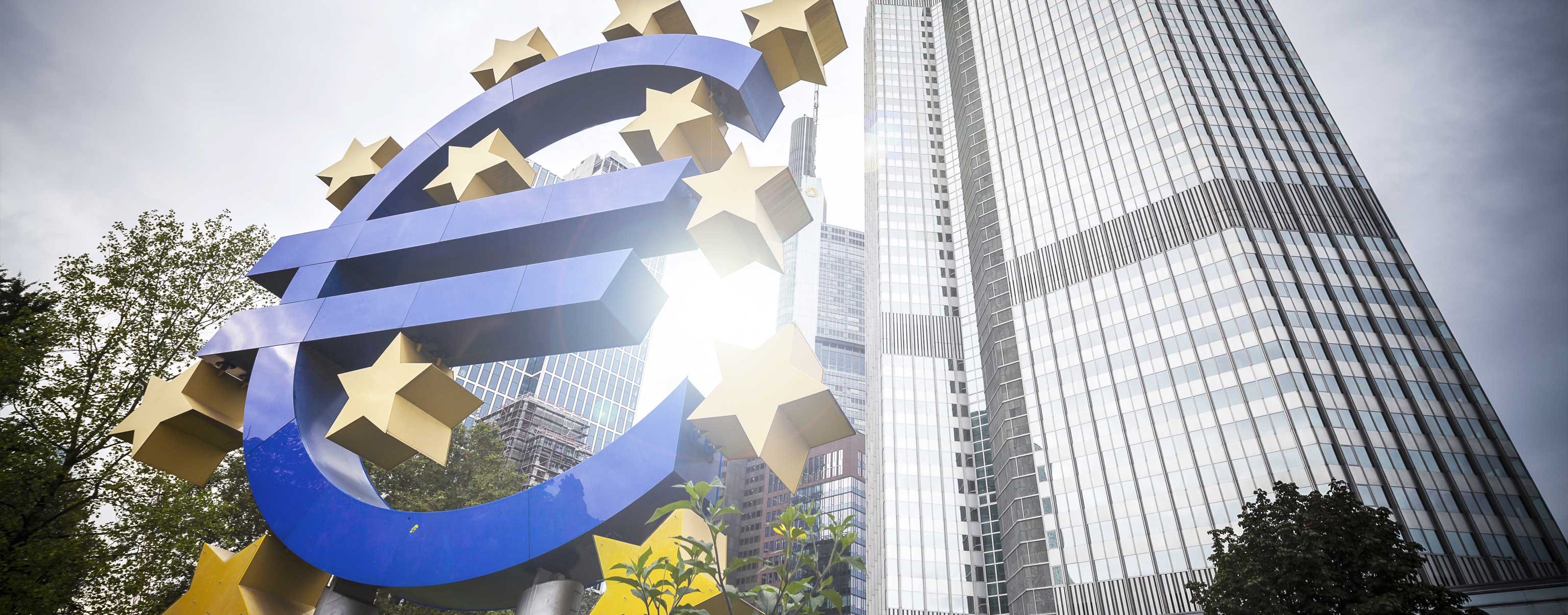
In February 2025, an infrastructure fault disrupted European Central Bank TARGET Services, which supports the movement of funds, securities and collateral across Europe.
The consequences
The incident interrupted payment processing and securities settlement, delaying transactions.2 The scale of this infrastructure makes even a temporary interruption significant. T2 — one of the services affected — processes more than €3 trillion in transactions on an average day. Further interruptions during 2026 renewed concerns about the resilience of this critical financial platform.3
Unlike an outage affecting a single bank’s customer-facing services, disruption to shared financial infrastructure can affect multiple markets and institutions simultaneously. The TARGET incident highlights how deeply interconnected the financial system has become and how failures in one part of the infrastructure chain can have consequences far beyond their point of origin.
3. CME GROUP: A COOLING FAILURE HALTS FUTURES TRADING
The case
In November 2025, CME Group was forced to halt trading across several markets following a cooling-system issue at a Chicago-area data center. The disruption affected futures linked to major financial benchmarks and assets, including US Treasury bonds, the S&P 500, Nasdaq 100, crude oil and gold.
The consequences
The incident was traced to a failure affecting multiple cooling units. While engineering teams worked to restore capacity and deploy temporary cooling equipment, traders were left without current pricing for several important products. One market participant described it as the most widespread outage of its kind he had encountered in 20 years.4
STRENGTHENING THE BACKUP POWER INFRASTRUCTURE BEHIND FINANCIAL SERVICES
Within the data centers supporting financial services, UPS energy storage systems provide an immediate line of defense when grid power is interrupted. Power from the UPS batteries can bridge the gap before longer-duration backup systems take over, helping critical IT equipment continue operating through a power event.
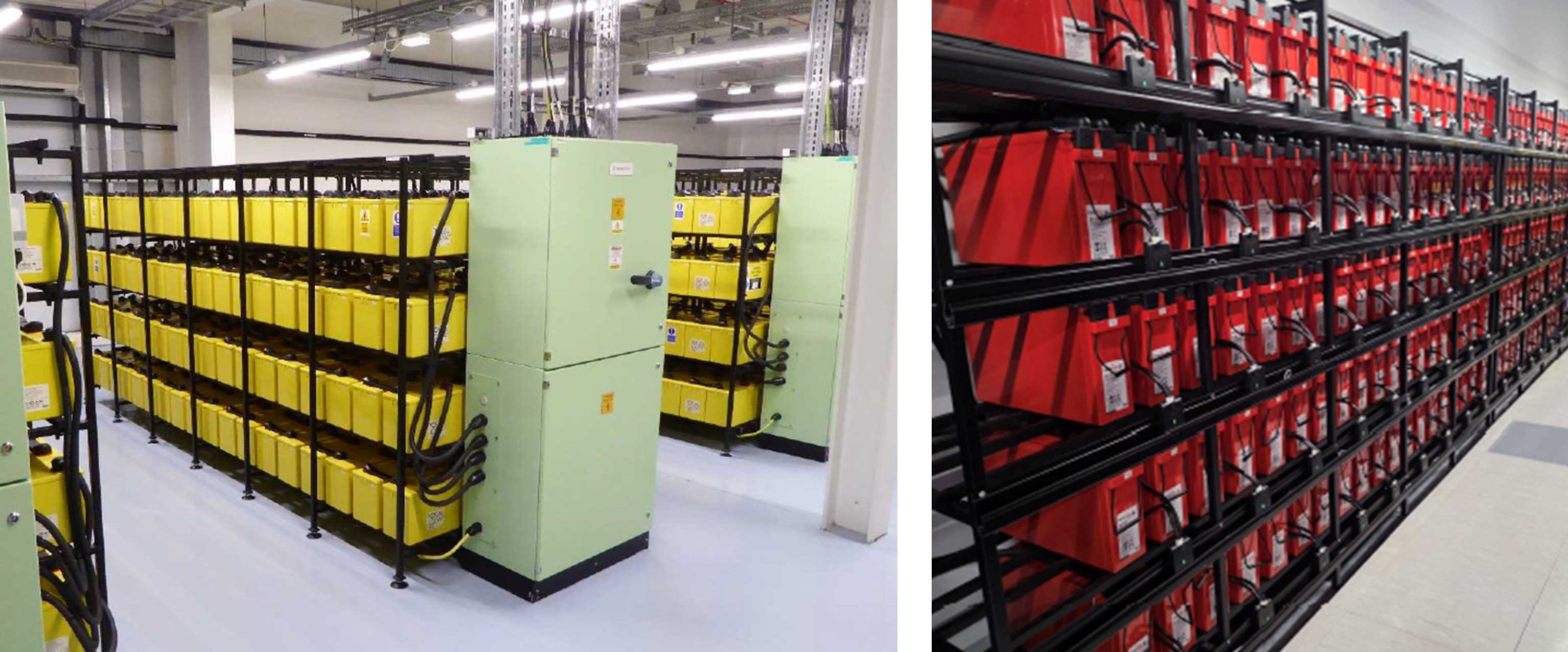
UPS energy storage systems cannot guarantee the avoidance of financial services downtime. However, selecting a UPS energy storage system based on several key factors beyond upfront price alone can help strengthen operations and mitigate the effects of outages. Operators should consider:
- Replacement frequency: How often will batteries need to be replaced, and what operational exposure will each intervention create?
- Losses: How much electricity will the batteries consume while being kept continuously ready on float charge?
- Long-term performance: Will the system continue to provide the required capacity as it ages?
A lower initial cost does not necessarily mean lower cost or lower risk over the system’s full operating life. Evaluating UPS energy storage as a long-term infrastructure decision can reduce avoidable interventions, control lifecycle costs and reinforce a critical link in the wider service-resilience chain.
COULD ENERSYS HELP YOU?
We’ve helped financial services data centers in the past. We might be able to help strengthen your data center operations. Click here to find out more about our UPS energy storage solutions for data centers.
UPS energy storage solutions
|