Deutsch

DEPLOYMENT FLEXIBILITY, SHELF LIFE AND PROJECT DELIVERY

How can UPS energy storage systems impact project delivery?

The pace of data project delivery is struggling to keep up with demand amidst the AI boom. UPS energy storage systems can be a key factor impacting timely delivery. The shelf life of battery technology used in a data center UPS energy storage system can help determine deployment flexibility; longer shelf life can give operators more breathing space in the case of delays, while shorter shelf life can result in costly top-up charging or costly replacements. Moreover, the ease of transportation and installation of a UPS energy storage system can impact project delivery timelines.


REQUEST A DATA CENTER UPS ENERGY STORAGE DEPLOYMENT AND SHELF-LIFE REVIEW.

◼ Tailored service from an EnerSys data center specialist.
◼ Assessment of current UPS energy storage deployment and storage assumptions.
◼ Optional commercial proposal following technical review.

BOOK YOUR review today

datacenter-expect-delays-2026.jpg


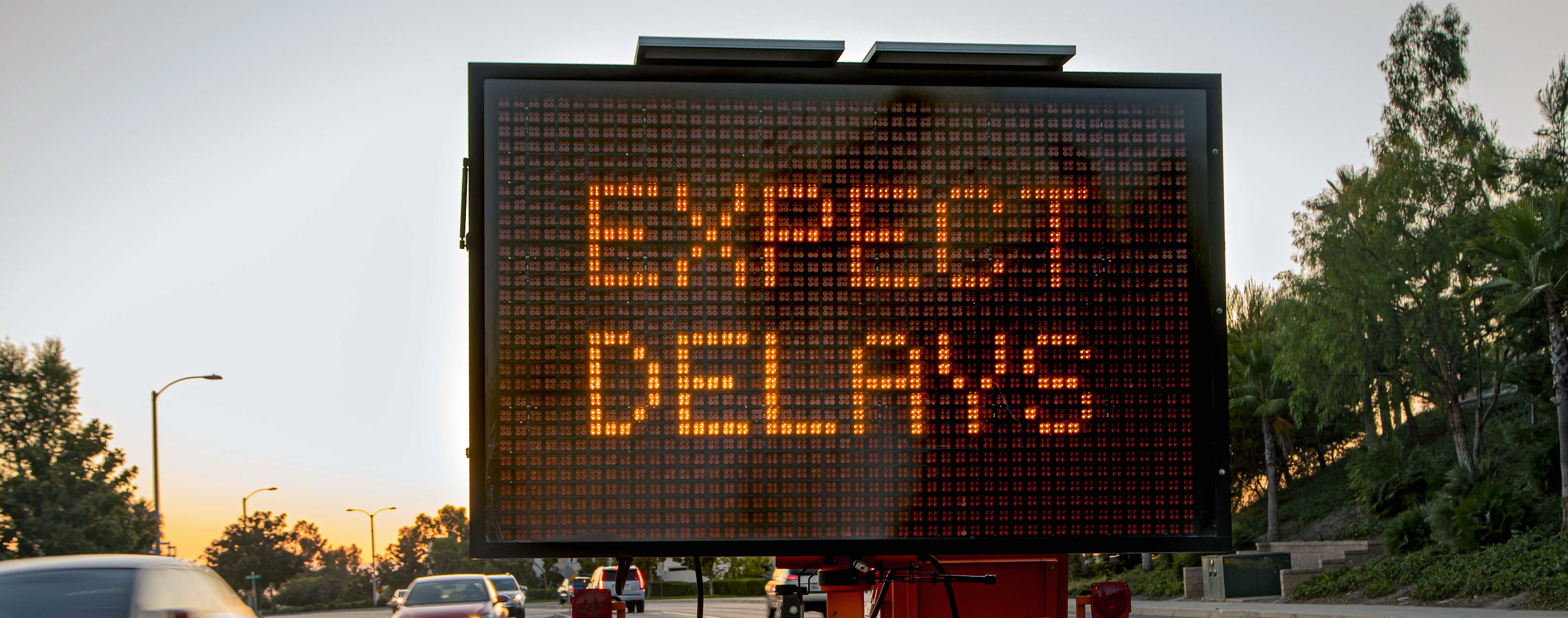
Why data center projects are experiencing delays

The International Energy Agency (IEA) estimates that around 20% of planned projects could be delayed, and they’re often linked to power availability, supply chain constraints and permitting challenges.1

Even if the physical construction of a data center is completed, many projects require grid upgrades to gain access to reliable power. The IEA notes that planning, permitting, and completing new grid infrastructure can take 5 to 15 years, while new data centers may be planned and built in just 1 to 3 years — highlighting a grid-data center mismatch. The financial consequences of delays can be as follows:

For every month a typical 60MW data center project is delayed, developers can lose up to $14.2 million in revenue, cost overruns, and contractual penalties. A three-month delay can slash internal rate of return (IRR) from 17.1% to 12.6%, turning a profitable investment into a marginal one.2

datacenter-delays.jpg

Read more: Data Center Project Delays: Why Power Availability Probably Isn’t Your Only Problem

WHAT DEFINES DEPLOYMENT FLEXIBILITY IN UPS BATTERY SYSTEMS?

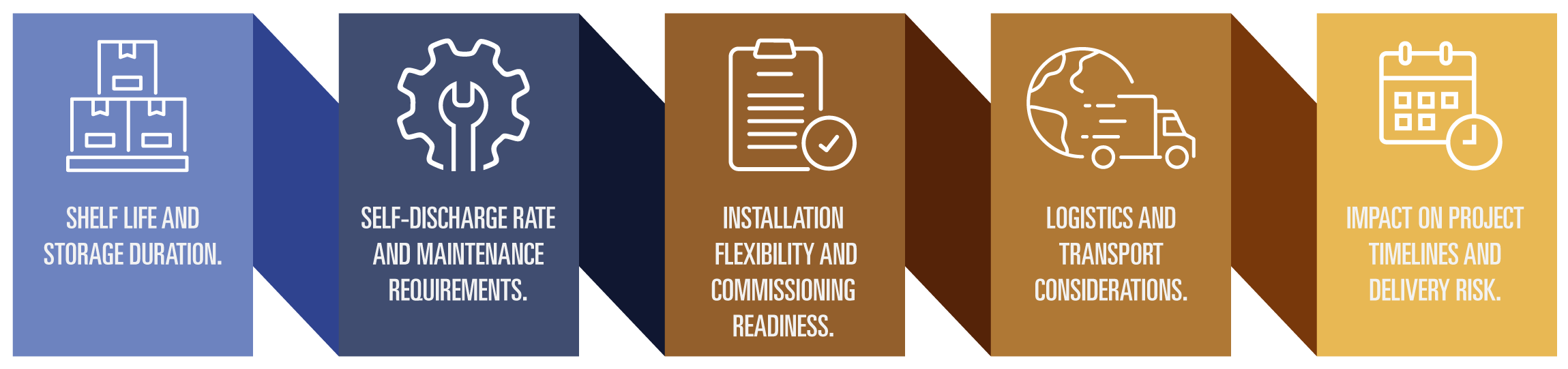
Deployment flexibility in UPS battery systems is typically evaluated across several factors:

datacenter-deployment-flexibility-2026-v2.png

These variables help determine how UPS battery systems influence project delivery, cost control and operational readiness. This framework provides a structured approach to evaluating how UPS battery systems affect deployment timelines, cost control and operational readiness. Runtime is a specification. Performance is an operating condition.

EVALUATE YOUR UPS ENERGY STORAGE DEPLOYMENT AND STORAGE STRATEGY

Your data center may stand to experience cost and operational impact in the case of delays. An EnerSys expert can support this assessment:

1. FILL OUT THE FORM IN LESS THAN A MINUTE
2. HEAR BACK FROM AN ENERSYS DATA CENTER SPECIALIST
3. OBTAIN A NO-OBLIGATION TECHNICAL ASSESSMENT OF HOW MUCH POTENTIAL COST AND OPERATIONAL IMPACT YOUR DATA CENTER COULD FACE IN THE CASE OF PROJECT DELAYS
4. RECEIVE TECHNICAL ANALYSIS AND, WHERE APPROPRIATE, A COMMERCIAL PROPOSAL ALIGNED WITH YOUR SITE REQUIREMENTS.

BOOK your evaluation today

DataSafe Noir™: UPS energy storage without deployment delays

Dynamic data center workloads are on the rise — especially from AI training in which entire GPU clusters can draw power in synchronicity.

Power demand can rise and fall rapidly. Under these conditions, data centers need UPS energy storage systems which are not just waiting to act as reserve power in the case of emergencies but are also ready to regularly assist with smoothing sudden power peaks.

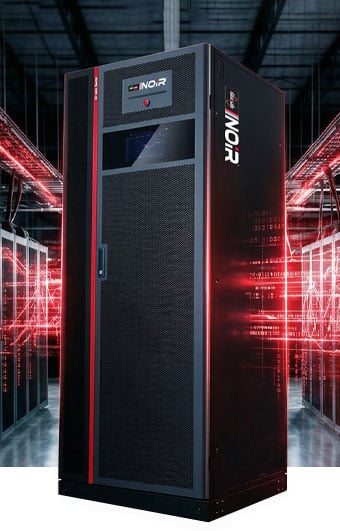
EnerSys DataSafe Noir™ is a lithium-based energy storage system which can respond to dynamic workloads energy efficiently — helping minimize environmental impact.

Key features include:
• Modular systems — helping speed up transportation procedures.
• Prefabricated systems for easy installation — slashing installation time by around 70%.

The TPPL alternative: Supporting deployment flexibility

For more established UPS energy storage technology, EnerSys Thin Plate Pure Lead (TPPL) comes with: Up to 24-month shelf life (at 20°C / 68°F) — an improvement on legacy lead-alloy technology which comes with higher rates of self-discharge due to metallic impurities.

As a result, data centers can expect:

Lower maintenance charging requirements.
Reduced maintenance-related labor requirements.

You don’t know when data center construction project delays might strike. TPPL technology supports improved readiness for project variability and helps mitigate the cost of delays.

ADVANCED UPS ENERGY STORAGE SOLUTIONS FOR DATA CENTERS

UPS Energy Storage serves as the first layer of power resilience, providing the immediate power needed to keep critical systems running when disruptions occur.

Batterien

DataSafe Noir™ Energiespeichersystem

Details anzeigen

DataSafe® XE-Batterien

Details anzeigen

DataSafe® HX+ Batterien

Details anzeigen

DataSafe® HX-Batterien

Details anzeigen

ODYSSEY® Performance Batterien

Details anzeigen

References
1. International Energy Agency (IEA). (2025). Energy and AI: Executive Summary. Available at: https://www.iea.org/reports/energy-and-ai/executive-summary
2. “Preventing Multimillion-Dollar Data Centre Losses Through Reporting.” Research Report, 2025. https://stlpartners.com/research/preventing-multimillion-dollar-data-centre-losses-through-reporting/