español
Energía industrial y servicios públicos

Why Legacy Backup Batteries Could Be Costing Utilities More Than They Realize

Why Legacy Backup Batteries Could Be Costing Utilities More Than They Realize

THE HIDDEN RISKS OF STICKING WITH OUTDATED SYSTEMS, AND THE MODERN APPROACH UTILITIES ARE ADOPTING NOW.

  • Flooded legacy batteries require regular inspection, electrolyte management, and other maintenance activities in line with IEEE guidance. In practice, this increases site visits, labor intensity, and operational variability compared with lower-maintenance alternatives.
  • Sustainability reporting and Scope 2 objectives make modernization a strategic priority.
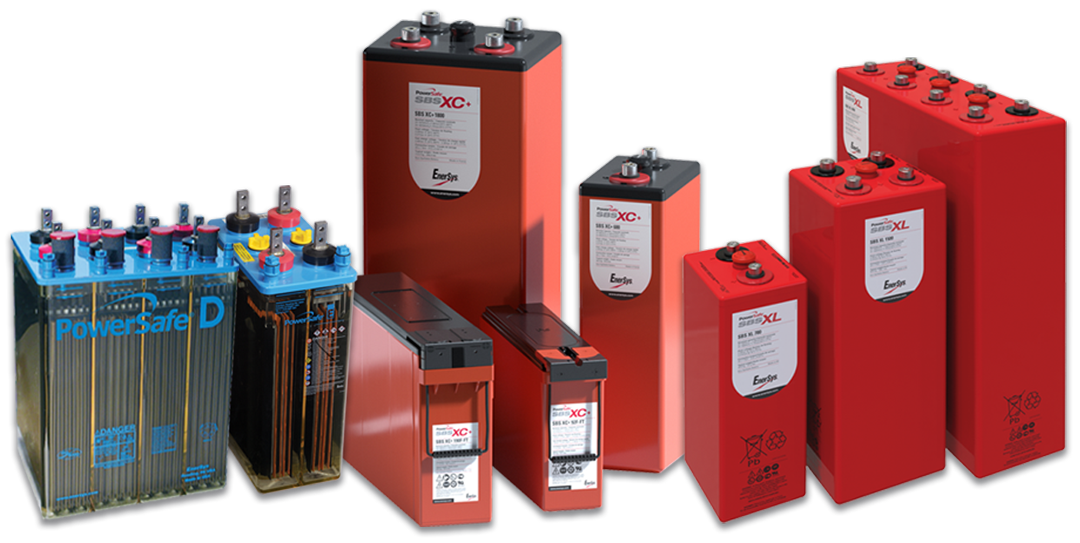
  • PowerSafe® SBS XL batteries can help reduce maintenance visits and energy use, supporting sustainability goals.
  • EnerSys offers a free system assessment to identify cost and emissions savings.

ARTICLE OVERVIEW

1. Why Are Utilities Still Using Yesterday’s Technology?
2. The Assumption: “Legacy Batteries Are Good Enough”
3. The Reality: Doing Nothing Is a Decision
4. An Alternative Way Forward
5. Case in Point: How Much Could You Save?
6. FAQs
7. Ready to See What’s Possible?


WHY ARE UTILITIES STILL USING YESTERDAY’S TECHNOLOGY?

Utilities are under pressure like never before:

  • Grid outages cost the U.S. economy an estimated $150 billion annually1.
  • Sustainability reporting is now a board-level priority, with Scope 2 emissions under scrutiny2.
  • Skilled labor is in short supply, with a projected 20% workforce gap by 20303.
  • By 2030, utilities will need to integrate 40% more distributed energy resources (DER), increasing reliability demands4.

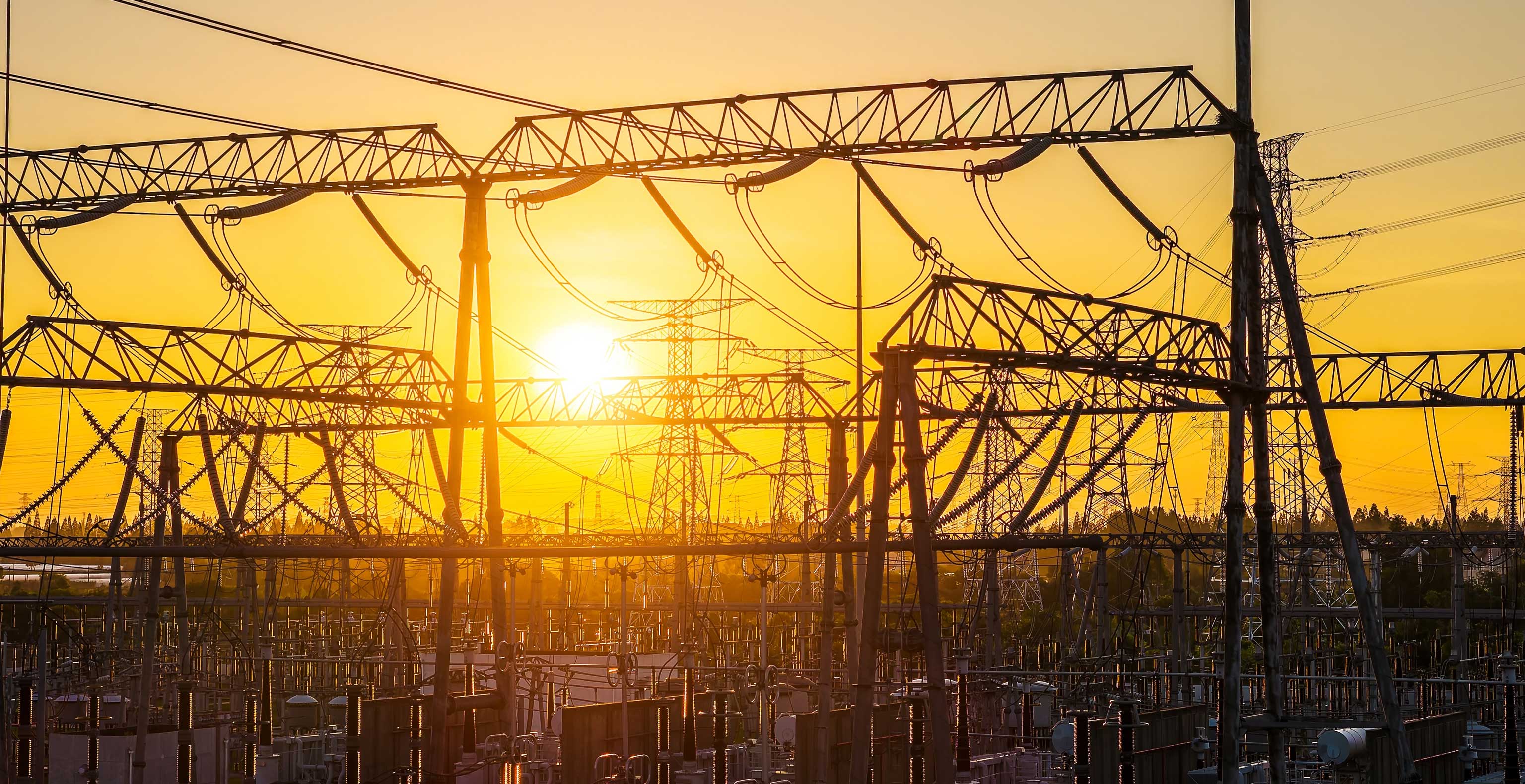
Yet despite these challenges, many substations are still relying on backup battery systems designed decades ago. Systems that were never built for today’s demands, including digital substations, distributed energy resources (DER), and zero-tolerance reliability standards.

What many utilities may not fully account for is that legacy Vented Lead Acid (VLA) batteries, while still widely used, can introduce higher maintenance demands, increased site visits, and greater operational overhead compared with advanced Valve-Regulated Lead Acid (VRLA) battery alternatives.


THE ASSUMPTION: “LEGACY BATTERIES ARE GOOD ENOUGH”

For years, flooded (VLA) in North America and VRLA batteries in EMEA have been the workhorses of the grid. They’ve done their job. But the job has changed, and these systems haven’t.

Many utilities assume that sticking with legacy batteries is the safe, cost-effective choice. That’s not always the case.

  • Maintenance is relentless: watering, venting, corrosion checks.
  • Every site visit costs money and emissions: Based on typical industry estimates, each maintenance visit can cost around $1,200 in labor and travel.
  • With IEEE-recommended inspection intervals and additional routine checks , maintenance requirements for flooded (VLA) battery systems can lead to recurring operational costs and increased site visits5.

When multiplied across a substation fleet, these requirements can represent a substantial and ongoing operational burden—before considering the environmental impact of those truck rolls.

THE REAL PROBLEM: DOING NOTHING IS A DECISION

The grid is evolving fast. DER integration, extreme weather, and cyber threats are raising the stakes for backup power. Meanwhile:

  • Maintenance budgets are under pressure.
  • Sustainability compliance is non-negotiable.
  • Space is maxed out in many substations.

Doing nothing isn’t neutral. It’s a decision to absorb higher costs, higher operational risk, and missed opportunities to improve efficiency. And it’s a decision that could jeopardize your ability to meet regulatory and sustainability commitments.


AN ALTERNATIVE WAY FORWARD: MAINTENANCE-FREE, HIGH-PERFORMANCE BACKUP

Forward-thinking utilities are taking a new approach: upgrading to modern, maintenance-free, high-performance backup systems that are designed for today’s grid realities and deliver more energy in less space, with zero watering and minimal emissions.

The PowerSafe® SBS XL battery range is engineered for these new requirements:

  • Compact design, higher energy density – Ideal for space-constrained substations.
  • No time-consuming watering during operation.
  • Thin Plate Pure Lead (TPPL) technology for energy efficiency – Lower float current compared to low-antimony (lead selenium) batteries helps to reduce energy use and standby losses, supporting sustainability objectives.
  • Extended service life – Up to 20 years at 20°C (68°F), helping reduce replacements and waste.

This isn’t incremental improvement. It’s a step-change in how utilities think about backup power.

CASE IN POINT: HOW MUCH COULD YOU SAVE?

For example, a utility operating a large fleet of remote substations could reduce site visits by up to 80% by switching from flooded systems to TPPL-based PowerSafe® SBS XL batteries. This reduction in maintenance visits could help:

  • Lower labor and travel costs significantly.
  • Reduce energy consumption, contributing to lower operational emissions and supporting sustainability goals.
  • Extend service life under recommended conditions, helping to reduce replacements and waste.
Disclaimer: This scenario is for illustrative purposes only. Actual results may vary based on operating conditions, maintenance practices, and system configuration.


FREQUENTLY ASKED QUESTIONS

TPPL technology reduces maintenance, lowers float current energy use, and supports sustainability objectives.

They eliminate routine watering—cutting truck rolls significantly.

Yes. Lead batteries are the most recycled consumer product globally, with a 99% recycling rate6.

Scope 2 emissions refer to indirect emissions from purchased electricity. Lowering energy use in backup systems can help utilities support their sustainability reporting objectives.


READY TO SEE WHAT’S POSSIBLE?

EnerSys offers a free battery system assessment to help you:

1. BENCHMARK YOUR CURRENT BACKUP PERFORMANCE.
2. IDENTIFY COST-SAVING AND EFFICIENCY OPPORTUNITIES.
3. EXPLORE RETROFIT OPTIONS WITH ADVANCED TPPL TECHNOLOGY.

Modernizing your backup power isn’t optional, it’s the only way to meet today’s grid demands.

book a free battery system assessment

Learn more about PowerSafe SBS XL Batteries


About The Author
Michael Sagar is Director of Marketing for Energy Systems at EnerSys®. With over 10 years of experience in energy storage solutions, Michael helps utilities and industrial operators modernize their infrastructure for greater reliability, efficiency, and sustainability.

About EnerSys
EnerSys is the industrial technology leader serving the global community with mission critical stored energy solutions. For the global data center market, EnerSys has a long history of offering tailored solutions to help maintain uptime and avoid downtime. As the industry continues to undergo rapid growth, our experts remain committed to working with key industry partners to support energy efficiency, reliability, and circularity.

REFERENCES
1. U.S. Department of Energy (DOE) – Grid Modernization Initiative – https://www.energy.gov/gmi/grid-modernization
2. Greenhouse Gas Protocol (GHG Protocol) – Scope 2 Guidance – https://ghgprotocol.org/scope-2-guidance
3. Utility Dive – Utilities face workforce challenges as aging employees retire – https://www.utilitydive.com
4. International Energy Agency (IEA) – DER Integration Trends – https://www.iea.org
5. IEEE Std 450-2020 – IEEE Recommended Practice for Maintenance, Testing, and Replacement of Vented Lead-Acid Batteries for Stationary Applications – https://standards.ieee.org/standard/450-2020.html
6. Battery Council International (BCI) – Lead Battery Recycling Facts – https://batterycouncil.org

About EnerSys

Sustainability


Caution Concerning Forward-Looking Statements
EnerSys is making this statement in order to satisfy the “Safe Harbor” provision contained in the Private Securities Litigation Reform Act of 1995. Any of the statements contained in this article that are not statements of historical fact may include forward-looking statements that involve a number of risks and uncertainties. A forward-looking statement predicts, projects, or uses future events as expectations or possibilities. Forward-looking statements may be based on expectations concerning future events and are subject to risks and uncertainties relating to operations and the economic environment, all of which are difficult to predict and many of which are beyond our control. For a discussion of such risks and uncertainties that could cause actual results to differ materially from those matters expressed in or implied by forward-looking statements, please see our risk factors as disclosed in the “Risk Factors” section of our annual report on Form 10-K for the most recently ended fiscal year. The statements in this article are made as of the date of this article, even if subsequently made available by EnerSys on its website or otherwise. EnerSys does not undertake any obligation to update or revise these statements to reflect events or circumstances occurring after the date of the article.