|
The global power utility industry is being shaped by a combination of grid resilience requirements, changing maintenance approaches, sustainability considerations, and the continued use of established technologies in critical infrastructure. As a result, many utilities are placing greater emphasis on long-term planning that supports system availability, operational efficiency, and lifecycle performance. In parallel, utilities are increasingly preparing for more demanding backup power requirements as grid stress and outage frequency rise, reenforcing the importance of robust continuity and resilience planning, as discussed in recent academic research on backup power distribution during extended outages.1
Several interconnected trends are influencing utility decision-making, including how resilience is considered earlier in infrastructure design, how space and installation constraints are managed, how maintenance resources are planned. Sustainability considerations are also playing a growing role in asset-level evaluations. Academic and industry analysis of utility-scale energy storage deployment suggests that utilities continue to value energy storage technologies with predictable performance and strong alignment with regulatory and operational requirements. As a global supplier of stored energy solutions for industrial and utility applications, EnerSys works with power utilities to align energy storage systems with resilience objectives, operational needs, and long-term sustainability goals, supporting the planning and operation of critical power infrastructure.2
Note from the Author: Through ongoing engagement with industry stakeholders, including utility operators, engineers, and infrastructure professions across different regions, a consistent set of themes emerges: how to maintain reliability while responding to new operational constraints; how to plan for resilience without over-engineering; and how to make infrastructure decisions that remain relevant over decades rather than years. From a market perspective, these insights help shape how the trends are understood and communicated, and they provide important context for the developments.
|
Power utilities around the world are operating in an environment shaped by ageing infrastructure, climate-related disruptions, evolving regulatory expectations, and increasing operational complexity, as highlighted in Deloitte’s Power and Utilities Industry Outlook.3 As a result, utilities are reassessing how critical systems are designed, maintained, and supported over their full lifecycle.
This article outlines five key trends shaping the global power utility industry, reflecting how utilities are approaching reliability, resilience, and long-term planning.
1. GRID RESILIENCE IS A CENTRAL PLANNING CONSIDERATION
Grid resilience has become a core consideration for power utilities when planning upgrades to critical infrastructure.
Utilities are preparing for a higher frequency of disruptive events, including extreme weather and network instability, which place additional demands on essential systems. Industry and policy analysis increasingly point to the need for improved grid resilience and flexibility to help maintain reliable electricity supply amid climate-related risks and system stress.4
BACKUP POWER SYSTEMS ARE INCREASINGLY EVALUATED BASED ON THEIR ABILITY TO SUPPORT
■ SUBSTATION PROTECTION AND CONTROL
■ COMMUNICATIONS AND SCADA CONTINUITY
■ GRID RESTORATION AND RECOVERY PROCESSES
Rather than being treated as standalone safeguards, resilience measures are being integrated earlier into infrastructure planning to support continuity during extended or repeated events.
2. SPACE EFFICIENCY AND INSTALLATION FLEXIBILITY INFLUENCE DESIGN CHOICES
Utilities are now placing greater emphasis on how energy storage solutions can support efficient use of space and flexible installation. Substations, generation plants, and industrial sites often face physical and operational constraints, particularly when assets are upgraded or expanded.
Energy sector outlooks note that utilities are increasingly deploying energy storage in ways that support adaptable system design and efficient use of existing infrastructure.5
KEY CONSIDERATIONS INCREASINGLY INCLUDE:
■ FOOTPRINT REQUIREMENTS WITHIN EXISTING FACILITIES
■ INSTALLATION FLEXIBILITY NEAR CRITICAL LOADS
■ COMPATIBILITY WITH ESTABLISHED INFRASTRUCTURE LAYOUTS
Energy storage systems that can be integrated without extensive site modification are becoming an important factor in infrastructure decision-making.
3. MAINTENANCE STRATEGIES CONTINUE TO EVOLVE
Maintenance planning is evolving as utilities respond to changes in workforce availability and a broader range of operational risk considerations. Many utilities are reviewing how routine activities are scheduled and how resources are allocated across geographically dispersed assets.
According to Deloitte’s power and utilities analysis, workforce constraints and operational risk are influencing how utilities approach asset management and maintenance planning.6
CURRENT FOCUS AREAS INCLUDE:
■ REDUCING THE NEED FOR FREQUENT MANUAL INTERVENTION
■ MINIMISING SITE VISITS TO REMOTE OR UNMANNED LOCATIONS
■ SUPPORTING PREDICTABLE AND PLANNED SERVICE INTERVALS
Energy storage technologies that align with modern maintenance strategies can support reliability while helping utilities manage operational complexity.

4. SUSTAINABILITY IS INFLUENCING ASSET-LEVEL DECISIONS
Sustainability considerations are influencing how utilities evaluate infrastructure investments. Utilities are adopting broader lifecycle perspectives that consider environmental impact alongside operational performance.
Industry insights from Deloitte highlight that decarbonisation, resource efficiency, and lifecycle management are now integral to utility investment frameworks.7
■ EVALUATION FACTORS INCLUDE:
■ ENERGY EFFICIENCY DURING NORMAL OPERATION
■ RESOURCE USE OVER THE SERVICE LIFE OF ASSETS
■ END-OF-LIFE MANAGEMENT AND RECYCLING PATHWAYS
This holistic approach reflects the growing alignment between operational planning and long-term environmental objectives.
5. PREFERENCE FOR ESTABLISHED AND WELL-UNDERSTOOD TECHNOLOGIES
For critical power applications, utilities continue to favour technologies with established operational histories and well-understood performance characteristics. While innovation remains important, infrastructure decisions are typically guided by the need for predictable performance and regulatory alignment.
Market analysis from S&P Global indicates that utility decision-making continues to prioritise reliability, proven performance, and integration with existing systems when selecting technologies for critical applications.8
TECHNOLOGIES SELECTED FOR ESSENTIAL SYSTEMS ARE EXPECTED TO DEMONSTRATE:
■ PROVEN BEHAVIOUR ACROSS DIVERSE OPERATING ENVIRONMENTS
■ ALIGNMENT WITH INDUSTRY STANDARDS AND REGULATIONS
■ LONG-TERM SUITABILITY FOR CRITICAL INFRASTRUCTURE ROLES
WHY THESE TRENDS MATTER FOR POWER UTILITIES
Taken together, these trends point to a shift toward longer-term planning, greater operational resilience, and increased lifecycle awareness across utility organisations. Power utilities are increasingly evaluating infrastructure decisions based on reliability, maintainability, and overall system readiness rather than short-term considerations alone.
SUPPORTING UTILITIES AS INDUSTRY NEEDS EVOLVE
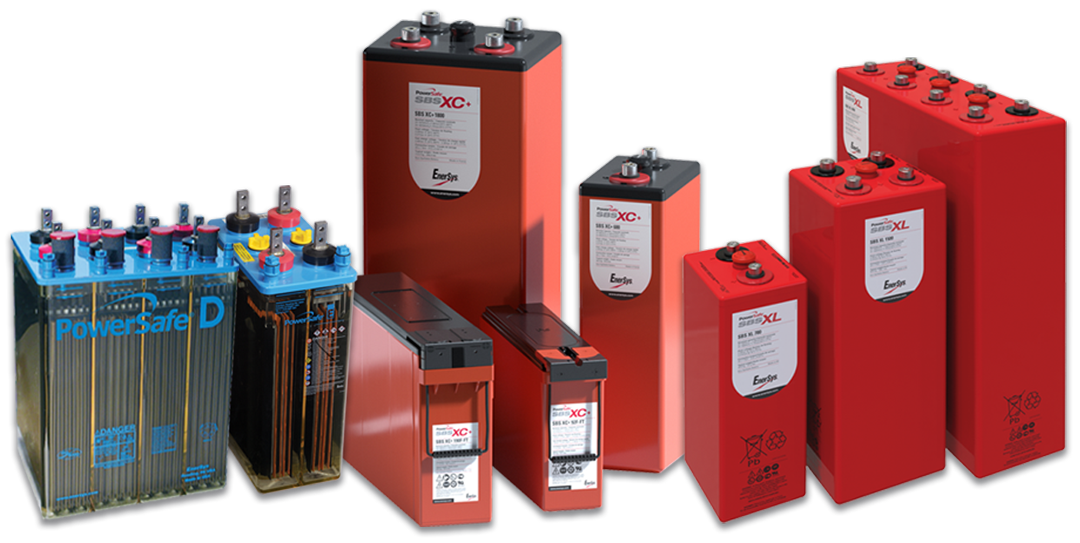
As a global supplier of stored energy solutions for industrial and utility applications, EnerSys works with power utilities across a wide range of regulatory and operating environments. The company supports essential power systems by aligning energy storage solutions with:
■ RESILIENCE OBJECTIVES
■ EVOLVING OPERATIONAL AND MAINTENANCE STRATEGIES
■ SUSTAINABILITY AND LIFECYCLE CONSIDERATIONS
■ LONG SERVICE LIFE EXPECTATIONS
Through technical expertise and experience across utility applications, EnerSys supports power utilities as they plan for the challenges and requirements of the years ahead.
CONNECT WITH A MEMBER OF THE ENERSYS TEAM TODAY.
Contact us today
|