Deutsch

Data Center UPS Batteries: Strengthening Financial Strategy With a Long-term Capital Investment

Data Center UPS Batteries: Strengthening Financial Strategy With a Long-term Capital Investment
EXECUTIVE SUMMARY:
  • As demand for data centers grows, the industry is under pressure to find cost-effective means of expansion.
  • UPS batteries have long brought hidden costs for data centers. Technology which comes with low upfront cost can often bring higher costs in the long-term.
  • Thin Plate Pure Lead (TPPL) technology from EnerSys offers data centers UPS batteries as a long-term capital investment, helping to control operating expenditures and lower overall Total Cost of Ownership (TCO).

ARTICLE OVERVIEW

1. CapEx Vs OpEx in Data Centers
2. Why Data Centers Continue to Opt for Lead-acid Batteries
3. 3 Key Hidden Costs of Cheaper ‘Pure Lead’ Batteries
4. TPPL Technology: A Long-term Investment Strategy for Data Centers
5. Does Your Data Center Have a Long-term Financial Strategy?


The cost of building and running a data center continues to rise as demand skyrockets. Costs were the “top concern” for data center management last year, according to the Uptime Institute Global Data Center Survey 2025.1

Controlling data center costs requires the industry to take a holistic approach—carefully considering all aspects of operations. Those operations include UPS batteries. But rather than just select batteries which save data centers on upfront cost, data centers should consider how UPS batteries can save in the long-term on total cost of ownership (TCO). In short, data centers should consider how a long-term capital investment in UPS batteries could help cut costs in the long-term.

COULD ‘PURE LEAD’ BATTERIES BE COSTING YOUR DATA CENTER?

Click HERE to find out how


CAPEX VS OPEX IN DATA CENTERS

In a data center, CapEx and OpEx are two sides of the same financial coin:

  • CapEx (Capital Expenditures) = upfront investment in long lived assets that help you build, expand, or materially improve the facility and its capability over multiple years.
  • OpEx (Operating Expenditures) = ongoing, recurring costs required to run and maintain the data center day-to-day.

• Land acquisition and site development (if applicable).

• Building construction and fit-out, including data halls, raised floors, and structural works.

• Uninterruptible Power Supply (UPS), including generators, and batteries.

• Fire suppression system installation.

• Electrical infrastructure.

• Cooling infrastructure.

• IT infrastructure, including servers, storage, networking gear, racks, and cabling.

• Electricity costs.

• Cooling costs.

• Water costs.

• Maintenance.


WHY DATA CENTERS CONTINUE TO OPT FOR LEAD-ACID UPS BATTERIES

Many data centers still opt for lead-acid UPS batteries. Key factors can include:

SUSTAINABILITY ALIGNMENT THROUGH RECYCLABILITY

Lead batteries can come with a near 99% recycling rate—helping organizations progress towards sustainability targets and mandates.

READ MORE: MAXIMIZING BATTERY CIRCULARITY

A PROVEN, WIDELY DEPLOYED TECHNOLOGY

VRLA (valve-regulated lead-acid) batteries have been used in UPS applications for decades, delivering a well-known performance profile and established installation practices.

COMPATIBILITY WITH EXISTING DATA CENTER SYSTEMS

VRLA batteries are commonly used in UPS systems across many installation types, and are available in form factors and ratings that map cleanly to legacy UPS designs, monitoring approaches, and service workflows.

hiddencost.jpg


3 KEY HIDDEN COSTS OF CHEAPER ‘PURE LEAD’ BATTERIES

‘Pure lead’ batteries with lower upfront cost can seem tempting for the potential to save on CapEx. However, lower upfront cost can result in higher costs in the long-run in the form of higher OpEx and higher overall TCO. Let’s delve into the details of where these hidden costs can creep up on data centers.

Some cheaper ‘pure lead’ batteries may come with higher rates of grid corrosion and increased internal resistance, conditions that could force the battery system to draw more power from the grid just to maintain a stable float charge. Over time, that additional energy requirement could chip away at your operating budget—especially at a moment when electricity is becoming one of the biggest pressure points for data center operators.


According to the International Energy Agency, global data center electricity consumption is set to more than double by 2030, reaching around 945 TWh—roughly equivalent to Japan’s total annual electricity use today.2 With energy demand climbing at this pace, every incremental inefficiency could magnify your long term costs.

In short, the consequences for your data center could be:

  • Higher OpEx driven by sustained increases in power draw.
  • A larger carbon footprint, potentially complicating sustainability objectives.


In other words, a battery that seems cost efficient on day one could become significantly more expensive over its lifetime—simply because it needs more energy to stay alive.

Cheaper ‘pure lead’ batteries usually deliver shorter service life—resulting in more frequent replacements in the long-run. More frequent end of life events mean more purchase cycles—and every replacement comes with its own cost trail.

Each time a data center installs a new battery string, operators could be faced with:

  • Freight costs for shipping battery units to site.
  • Labor and installation fees.

Individually, these costs might seem manageable—but across multiple replacement cycles, they could compound quickly. What started as a ‘cheaper’ battery choice could translate into steadily rising OpEx, driven not only by the purchase of additional batteries but also by the recurring logistics and installation expenses required to keep them in service.

Cheaper ‘pure lead’ batteries may save money on day one, but their shorter lifespan could force data centers into more frequent replacement cycles. Each replacement could introduce planned downtime, whether for isolating battery strings, bringing in technicians, or performing safety checks during swap outs. And in a world where uptime is everything, even scheduled interruptions could eat into operations and service availability.

But the bigger concern is what happens between those planned replacements. A battery with a reduced service life could be more susceptible to early or unexpected failure, increasing the risk of unplanned downtime—the kind that strikes without warning and carries far greater reputational and financial consequences.


Uptime Institute’s Annual Outage Analysis 2025 highlights that overall outage frequency has continued to decline for four consecutive years.3 However, some high-profile incidents—such as that of AWS in October 2025—serve as a reminder of the costs downtime can bring. The Insurance Times has reported estimated losses from the aforementioned incident at between $38-581 million, affecting thousands of organizations worldwide.4

What this could mean for your data center:

  • More planned downtime due to accelerated replacement cycles.
  • Higher risk of unplanned outages due to early battery failures.
  • Potential for significant financial damage, depending on the scale of the disruption.
  • Reputational risk that could ripple far beyond the immediate technical fault.


TPPL TECHNOLOGY: A LONG-TERM CAPITAL INVESTMENT STRENGTHENING FINANCIAL STRATEGY FOR DATA CENTERS

When it comes to pure lead UPS batteries, the engineering details matter—and not all designs deliver the same longevity or performance.

GRID VS. PASTE: DIFFERENT ROLES, DIFFERENT IMPACTS.

The grid provides structural support and conducts current, while the paste (active material) handles the electrochemical reaction. Some batteries marketed as ‘pure lead’ only use pure lead in the active material, not in the grid itself.

MANY ‘PURE LEAD’ BATTERIES AREN’T PURE WHERE IT COUNTS.

If the grid still contains alloys such as calcium, tin, or antimony, those impurities can undermine long term durability—even if the paste is pure lead.

IMPURITIES ACCELERATE GRID CORROSION AND INCREASE RESISTANCE.

Non pure grids are more prone to corrosion and can raise internal resistance due to unwanted chemical reactions—issues that TPPL’s high purity, ultra thin plate design is specifically engineered to mitigate.

TPPL-whitepaper-teaser.jpg

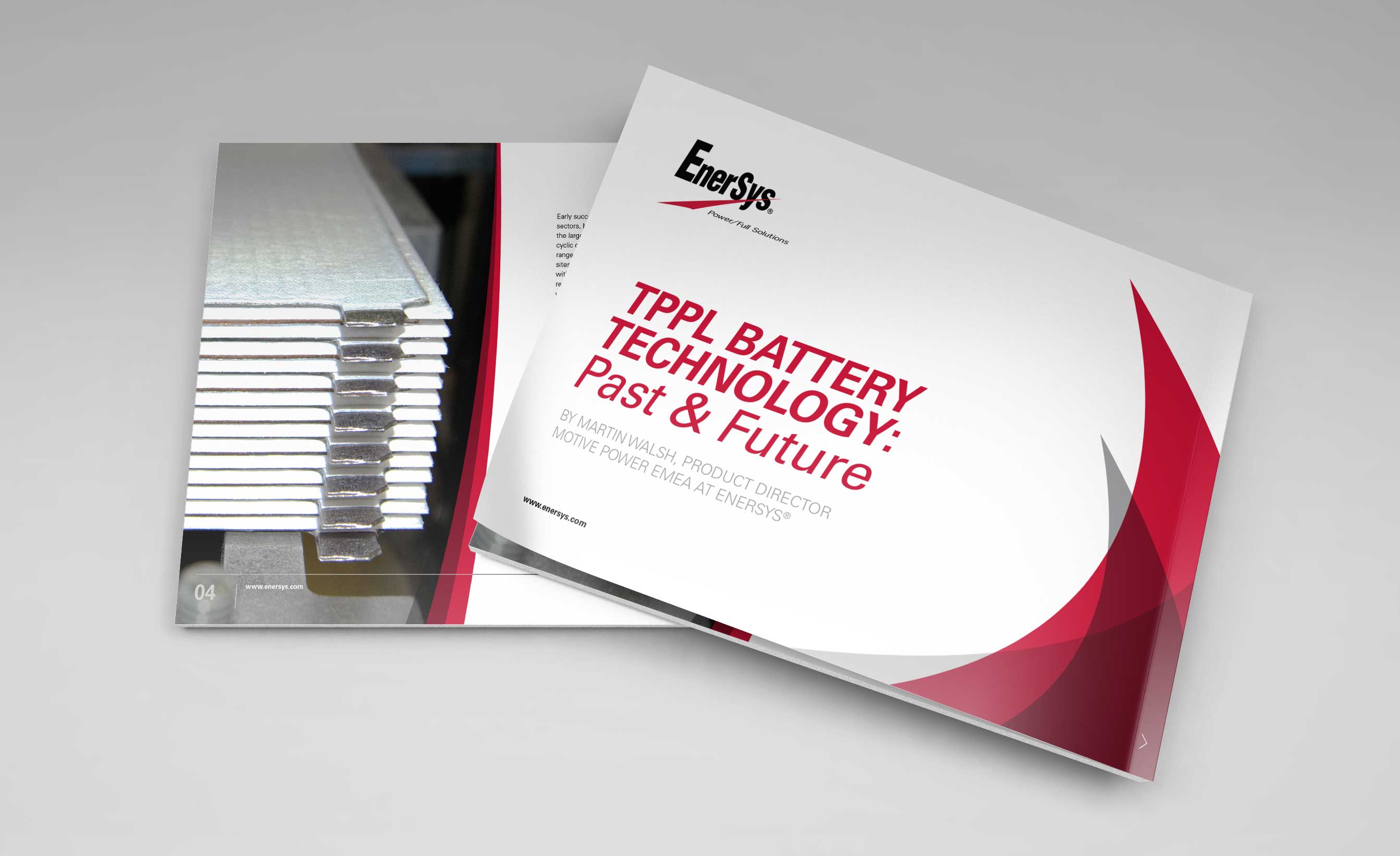
Find out more about the enersys tppl advantage

THE REAL WORLD IMPACT FOR DATA CENTERS

These design differences aren’t just technical footnotes—they could translate into shorter battery life, reduced efficiency, and higher operating costs. In other words, saving on CapEx by opting for cheaper ‘pure lead’ UPS batteries could result in higher OpEx and higher overall TCO. On the other hand, EnerSys DataSafe® XE batteries are engineered to keep costs under control for the long-run:

  • Up to 7-year service life—resulting in fewer disruptive and costly replacements.
  • Lower rate of grid corrosion and internal resistance—more efficient float charging to help achieve lower electricity bills and reduced carbon footprint.
  • Lower risk of unplanned costly downtime—longer service life means less chance of early unexpected failure, helping mitigate the financial and reputational damage of downtime.
  • Lower TCO by up to 25%.
WANT TO KNOW HOW A COLOCATION DATA CENTER IN NORTHERN ITALY SAVED 30% ON ELECTRICITY BILLS WITH DATASAFE® XE?

Click HERE to read the full case study.


DOES YOUR DATA CENTER HAVE A LONG-TERM FINANCIAL STRATEGY?

You might be losing out in ways you haven’t thought about. Our team might be able to help uncover hidden costs, starting with a free no-obligation battery consultation.

GET STARTED IN 4 SIMPLE STEPS:
1. FILL OUT THE FORM IN LESS THAN A MINUTE.
2. CONNECT WITH AN ENERSYS EXPERT TO REVIEW YOUR CURRENT SETUP.
3. GET A FREE, NO-OBLIGATION ANALYSIS HIGHLIGHTING POTENTIAL COST SAVINGS.
4. RECEIVE A TAILORED QUOTE TO ENHANCE YOUR DATA CENTER STRATEGY.

About The Author
Alistair Baker-Brian is a Content Marketing Specialist at EnerSys. He has written extensively about issues in the global data center market related to backup power. He has also published thought leadership material regarding new EU battery rules.

About EnerSys
EnerSys is the industrial technology leader serving the global community with mission critical stored energy solutions. For the global data center market, EnerSys has a long history of offering tailored solutions to help maintain uptime and avoid downtime. As the industry continues to undergo rapid growth, our experts remain committed to working with key industry partners to support energy efficiency, reliability, and circularity.

REFERENCES
1. Uptime Institute. Global Data Center Survey Results 2025. Uptime Institute, 2025. Available at: https://uptimeinstitute.com/uptime_assets/cec7166957f7f529e48073bfcb5b0e99bf0dde906aa263aa7e834d33601db929-GA-2025-07-uptime-institute-global-data-center-survey-results-2025.pdf
2. International Energy Agency (IEA), “AI is set to drive surging electricity demand from data centres while offering the potential to transform how the energy sector works,” https://www.iea.org/news/ai-is-set-to-drive-surging-electricity-demand-from-data-centres-while-offering-the-potential-to-transform-how-the-energy-sector-works.
3. Uptime Institute, Annual Outage Analysis 2025, https://uptimeinstitute.com/uptime_assets/d7c049ef5b02a6e0a15540a3e5cb8fbf742c7fa54a1af6caeaaab32b7c15d443-GA-2025-05-annual-outage-analysis.pdf.
4. Insurance Times, Loss estimate for AWS outage between £38m and £581m, https://www.insurancetimes.co.uk/news/loss-estimate-for-aws-outage-between-38m-and-581m/1456730.article.

About EnerSys

Sustainability


Caution Concerning Forward-Looking Statements
EnerSys is making this statement in order to satisfy the “Safe Harbor” provision contained in the Private Securities Litigation Reform Act of 1995. Any of the statements contained in this article that are not statements of historical fact may include forward-looking statements that involve a number of risks and uncertainties. A forward-looking statement predicts, projects, or uses future events as expectations or possibilities. Forward-looking statements may be based on expectations concerning future events and are subject to risks and uncertainties relating to operations and the economic environment, all of which are difficult to predict and many of which are beyond our control. For a discussion of such risks and uncertainties that could cause actual results to differ materially from those matters expressed in or implied by forward-looking statements, please see our risk factors as disclosed in the “Risk Factors” section of our annual report on Form 10-K for the most recently ended fiscal year. The statements in this article are made as of the date of this article, even if subsequently made available by EnerSys on its website or otherwise. EnerSys does not undertake any obligation to update or revise these statements to reflect events or circumstances occurring after the date of the article.