français
Centres de données

Data Center Project Delays: Why Power Availability Probably Isn’t Your Only Problem

Data Center Project Delays: Why Power Availability Probably Isn’t Your Only Problem

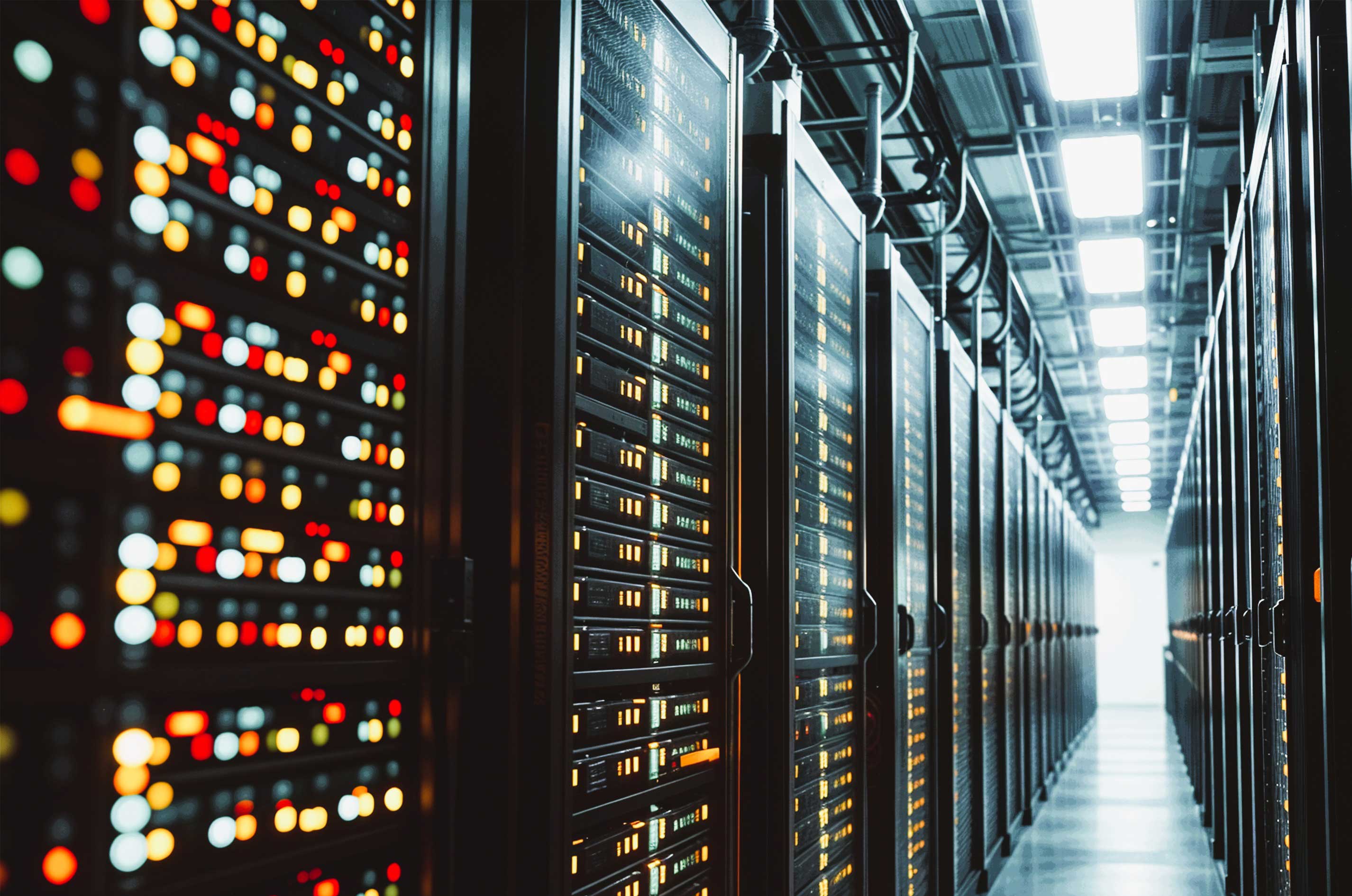
Delays to construction projects are all too common in the data center industry. The main causes are well documented: power constraints, local opposition, equipment lead times, design changes, etc. However, what data centers may not have considered is the consequences of delays for data center UPS batteries. Inefficient lead-alloy batteries can come with short shelf-life and high rates of self-discharge. This means that in the case of delays, data centers could face additional costs for labor and float charging. But the worst outcome is having to replace the battery entirely, before it’s even commissioned.


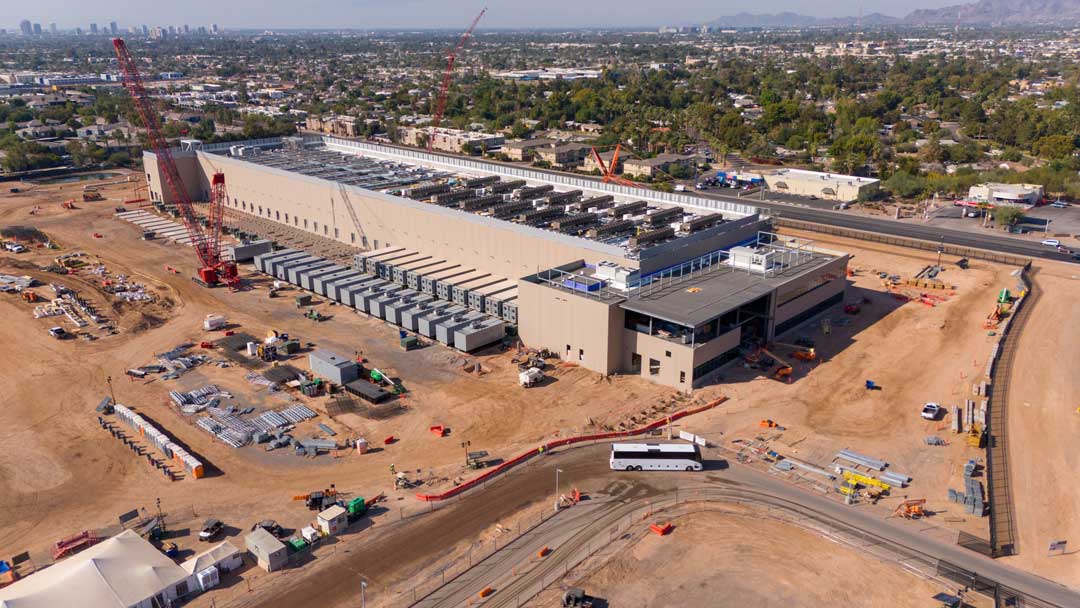
Those who’ve ever managed or tracked a data center build know that delays aren’t just frustrating—they’re costly and disruptive. The industry has studied these setbacks extensively, and the same culprits keep surfacing.

Top priority

84% of developers rank power access among their top three site selection factors.1


Risk level

About 20% of projects face delays due to grid limitations and permitting issues.2


Industry view

Power access is now “the critical gatekeeper of growth,” with behind-the-meter generation emerging as a workaround.3

Scale of impact:

$64 billion worth of U.S. projects have been blocked or delayed due to community pushback.4


Common concerns:

Higher electricity bills, noise, and strain on local resources.

Design changes:

Late-stage modifications disrupt complex systems.


Equipment lead times:

Generators and transformers can take over a year to procure.


Labor shortages:

Skilled construction and electrical trades are in short supply, creating structural challenges.5


ARE ‘PURE LEAD’ BATTERIES COSTING YOUR DATA CENTER?

WE MIGHT BE ABLE TO HELP UNCOVER HIDDEN COSTS OF YOUR CURRENT UPS BATTERY SETUP.

Click HERE to find out how


THE COST OF DELAYS: WHAT’S LURKING BENEATH THE SURFACE?

Delays aren’t just inconvenient—they’re expensive. One report suggests that for every month a typical 60MW data center project is delayed, developers can lose $14.2 million in revenue, cost overruns, and contractual penalties.6 A three-month delay can slash internal rate of return (IRR) from 17.1% to 12.6%, turning a profitable investment into a marginal one.

These figures include:

  • Lost revenue from missed go-live dates.
  • Cost overruns from extended labor and equipment rentals.
  • Penalties tied to service-level agreements with hyperscalers and enterprise clients.

But beyond the well documented financial losses, there’s another area of data center operations which can be affected by project delays; that area involves UPS batteries.
datacenterprojectdelays-construction.jpg


HOW BATTERIES CAN BECOME MONEY-DRAINERS DURING PROJECT DELAYS

UPS batteries are critical in protecting data centers against costly downtime—kicking in immediately when the power goes out. However, selecting the right UPS batteries is about more than just downtime. Unfortunately, too many data centers ignore shelf-life when it comes to selecting UPS batteries—a decision which can compromise the ability to mitigate unforeseen project delays.

The chemistry behind battery shelf-life

Lead-acid batteries naturally self-discharge over time but the rate depends heavily on internal chemistry. Alloys like calcium and antimony—commonly used in conventional lead-acid grids—introduce metallic impurities that accelerate electrolysis. This promotes internal gas generation and recombination reactions, which discharge the negative electrode and increase float current. The result? Faster self-discharge and shorter self-life.

CLICK HERE TO READ MORE IN OUR TPPL WHITEPAPER.

The cost of mitigating battery shelf-life

Project delays turn batteries into hidden cost centers. Here’s how:

  • Top-up charging: Conventional lead-alloy batteries often require refresh charges every 6 months to prevent sulfation. Each cycle consumes labor, technician time, and electricity.
  • Neglect scenario: If refresh charging is skipped, batteries can become permanently damaged, forcing full replacement before the project even goes live.

Ready to shell out $60k per string of batteries?

The team at EnerSys did some calculations. In the worst case, replacing one string of 40 lead-calcium batteries could cost around $60,000. Here’s what that includes:

  • Product cost.
  • Freight.
  • Labor to top-up charge.
  • Labor to install in cabinet.
  • Labor to remove and reinstall.
  • Load testing.

Even in a “better” scenario, top-up charging adds up:

  • $1,500 per string every 6 months.
  • $750 extra if batteries are not connected.
  • $150/hour for technician time and travel.

Multiply these costs across multiple strings and lengthy delays, and the financial impact becomes staggering.

CHOOSING UPS BATTERIES WITH PROJECT DELAY-RESILIENCE

When selecting UPS batteries for data centers, it’s not enough to think about capacity and runtime. Long or unexpected project delays can turn batteries into hidden cost drivers. Choosing a technology with extended shelf life can save thousands in labor, electricity, and replacement costs.
datacenterprojectdelays-datasafeXE.jpg

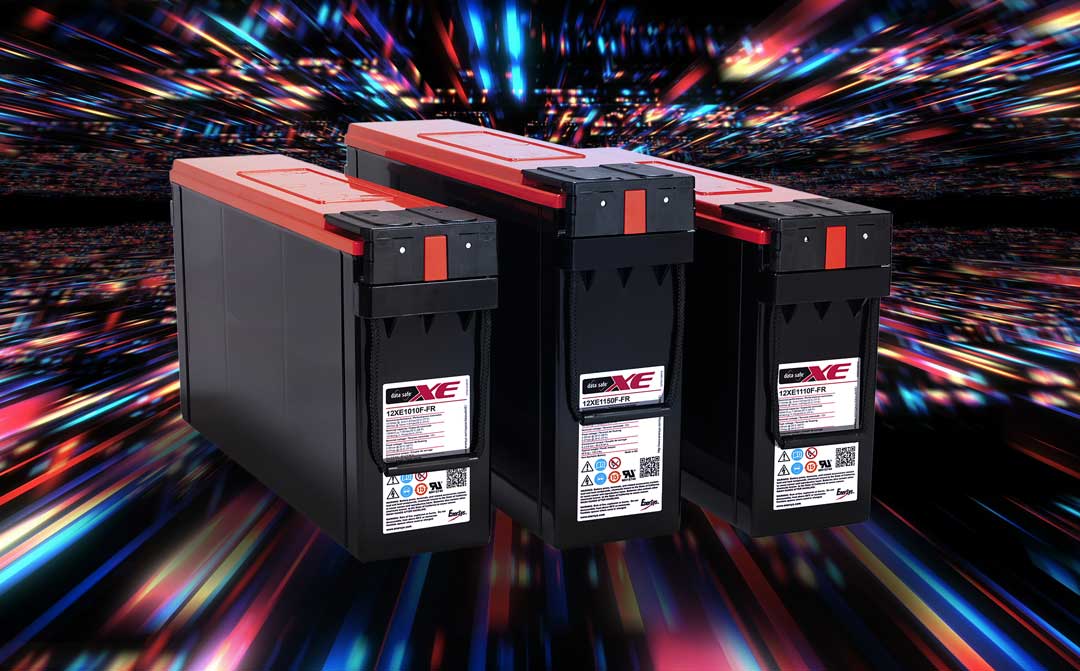
Advanced Thin Plate Pure Lead (TPPL) from EnerSys: 17 months’ shelf-life for unforeseen project delays

Lead-alloy batteries can require top-up charging every 6 months or even more frequently. DataSafe XE with TPPL technology offers a shelf life of up to 17 months before a refresh charge is needed. This means:

  • Fewer maintenance cycles during delays.
  • Lower electricity consumption.
  • Reduced technician time and travel costs.

In short, DataSafe XE helps you keep costs predictable—even when timelines aren’t.

Other essential tips for keeping UPS batteries in storage

Even with long-shelf-life batteries, proper storage practices are critical:

  • Store in a clean, cool, and dry area if not immediately installed.
  • Follow guidance issued by EnerSys regarding refresh charges and commissioning charges to maintain performance.


ARE YOU PREPARED FOR PROJECT DELAYS?

Don’t lose out to lengthy delays. Your data center might also be losing out in other ways you haven’t thought about. Our team might be able to help, starting with a free no-obligation battery consultation.

GET STARTED IN 4 SIMPLE STEPS:
1. FILL OUT THE FORM IN LESS THAN A MINUTE.
2. CONNECT WITH AN ENERSYS EXPERT TO REVIEW YOUR CURRENT SETUP.
3. GET A FREE, NO-OBLIGATION ANALYSIS HIGHLIGHTING HOW TO BE MORE PROJECT DELAY-RESILIENT AND OTHER POTENTIAL COST SAVINGS.

4. RECEIVE A TAILORED QUOTE TO ENHANCE YOUR DATA CENTER STRATEGY.

About The Author
Alistair Baker-Brian is a Content Marketing Specialist at EnerSys. He has written extensively about issues in the global data center market related to backup power. He has also published thought leadership material regarding new EU battery rules.

About EnerSys
EnerSys is the industrial technology leader serving the global community with mission critical stored energy solutions. For the global data center market, EnerSys has a long history of offering tailored solutions to help maintain uptime and avoid downtime. As the industry continues to undergo rapid growth, our experts remain committed to working with key industry partners to support energy efficiency, reliability, and circularity.


REFERENCES
1. “Onsite Generation Expected to Fully Power 27% of Data Center Facilities by 2030.” Bloom Energy Newsroom, 2025. https://www.bloomenergy.com/news/onsite-generation-expected-to-fully-power-27-percent-of-data-center-facilities-by-2030/
2. “Energy and AI: Executive Summary.” IEA Reports, 2025. https://www.iea.org/reports/energy-and-ai/executive-summary
3. “Next Phase of Data Center Growth to Be More Disciplined, but Risks of Power Constraints and Construction Delays Remain.” Press Release, 2025. https://www.bain.com/about/media-center/press-releases/20252/next-phase-of-data-center-growth-to-be-more-disciplined-but-risks-of-power-constraints-and-construction-delays-remain-bain--co-research/
4. “Report.” Data Center Watch, 2025. https://www.datacenterwatch.org/report
5. Bain & Company, “Next Phase of Data Center Growth,” 2025.
6. “Preventing Multimillion-Dollar Data Centre Losses Through Reporting.” Research Report, 2025. https://stlpartners.com/research/preventing-multimillion-dollar-data-centre-losses-through-reporting/

About EnerSys

Sustainability


Caution Concerning Forward-Looking Statements
EnerSys is making this statement in order to satisfy the “Safe Harbor” provision contained in the Private Securities Litigation Reform Act of 1995. Any of the statements contained in this article that are not statements of historical fact may include forward-looking statements that involve a number of risks and uncertainties. A forward-looking statement predicts, projects, or uses future events as expectations or possibilities. Forward-looking statements may be based on expectations concerning future events and are subject to risks and uncertainties relating to operations and the economic environment, all of which are difficult to predict and many of which are beyond our control. For a discussion of such risks and uncertainties that could cause actual results to differ materially from those matters expressed in or implied by forward-looking statements, please see our risk factors as disclosed in the “Risk Factors” section of our annual report on Form 10-K for the most recently ended fiscal year. The statements in this article are made as of the date of this article, even if subsequently made available by EnerSys on its website or otherwise. EnerSys does not undertake any obligation to update or revise these statements to reflect events or circumstances occurring after the date of the article.