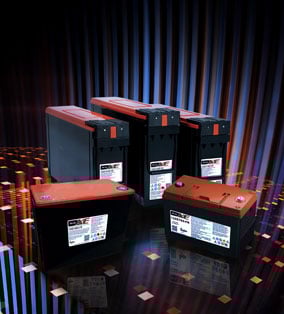
ARE ‘PURE LEAD’ BATTERIES COSTING YOUR DATA CENTER?
WE MIGHT BE ABLE TO HELP UNCOVER HIDDEN COSTS OF YOUR CURRENT UPS BATTERY SETUP.
Click HERE to find out how
|
THE COST OF DELAYS: WHAT’S LURKING BENEATH THE SURFACE?
Delays aren’t just inconvenient—they’re expensive. One report suggests that for every month a typical 60MW data center project is delayed, developers can lose $14.2 million in revenue, cost overruns, and contractual penalties.6 A three-month delay can slash internal rate of return (IRR) from 17.1% to 12.6%, turning a profitable investment into a marginal one.
These figures include:
- Lost revenue from missed go-live dates.
- Cost overruns from extended labor and equipment rentals.
- Penalties tied to service-level agreements with hyperscalers and enterprise clients.
But beyond the well documented financial losses, there’s another area of data center operations which can be affected by project delays; that area involves UPS batteries.
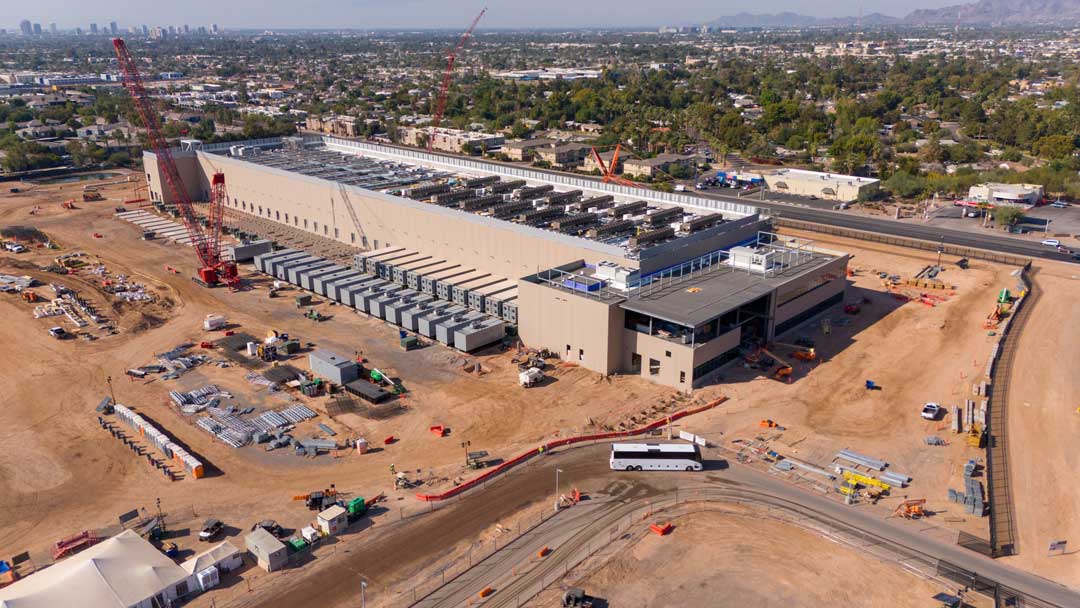
HOW BATTERIES CAN BECOME MONEY-DRAINERS DURING PROJECT DELAYS
UPS batteries are critical in protecting data centers against costly downtime—kicking in immediately when the power goes out. However, selecting the right UPS batteries is about more than just downtime. Unfortunately, too many data centers ignore shelf-life when it comes to selecting UPS batteries—a decision which can compromise the ability to mitigate unforeseen project delays.
The chemistry behind battery shelf-life
Lead-acid batteries naturally self-discharge over time but the rate depends heavily on internal chemistry. Alloys like calcium and antimony—commonly used in conventional lead-acid grids—introduce metallic impurities that accelerate electrolysis. This promotes internal gas generation and recombination reactions, which discharge the negative electrode and increase float current. The result? Faster self-discharge and shorter self-life.
CLICK HERE TO READ MORE IN OUR TPPL WHITEPAPER.
The cost of mitigating battery shelf-life
Project delays turn batteries into hidden cost centers. Here’s how:
- Top-up charging: Conventional lead-alloy batteries often require refresh charges every 6 months to prevent sulfation. Each cycle consumes labor, technician time, and electricity.
- Neglect scenario: If refresh charging is skipped, batteries can become permanently damaged, forcing full replacement before the project even goes live.
Ready to shell out $60k per string of batteries?
The team at EnerSys did some calculations. In the worst case, replacing one string of 40 lead-calcium batteries could cost around $60,000. Here’s what that includes:
- Product cost.
- Freight.
- Labor to top-up charge.
- Labor to install in cabinet.
- Labor to remove and reinstall.
- Load testing.
Even in a “better” scenario, top-up charging adds up:
- $1,500 per string every 6 months.
- $750 extra if batteries are not connected.
- $150/hour for technician time and travel.
Multiply these costs across multiple strings and lengthy delays, and the financial impact becomes staggering.
CHOOSING UPS BATTERIES WITH PROJECT DELAY-RESILIENCE
When selecting UPS batteries for data centers, it’s not enough to think about capacity and runtime. Long or unexpected project delays can turn batteries into hidden cost drivers. Choosing a technology with extended shelf life can save thousands in labor, electricity, and replacement costs.
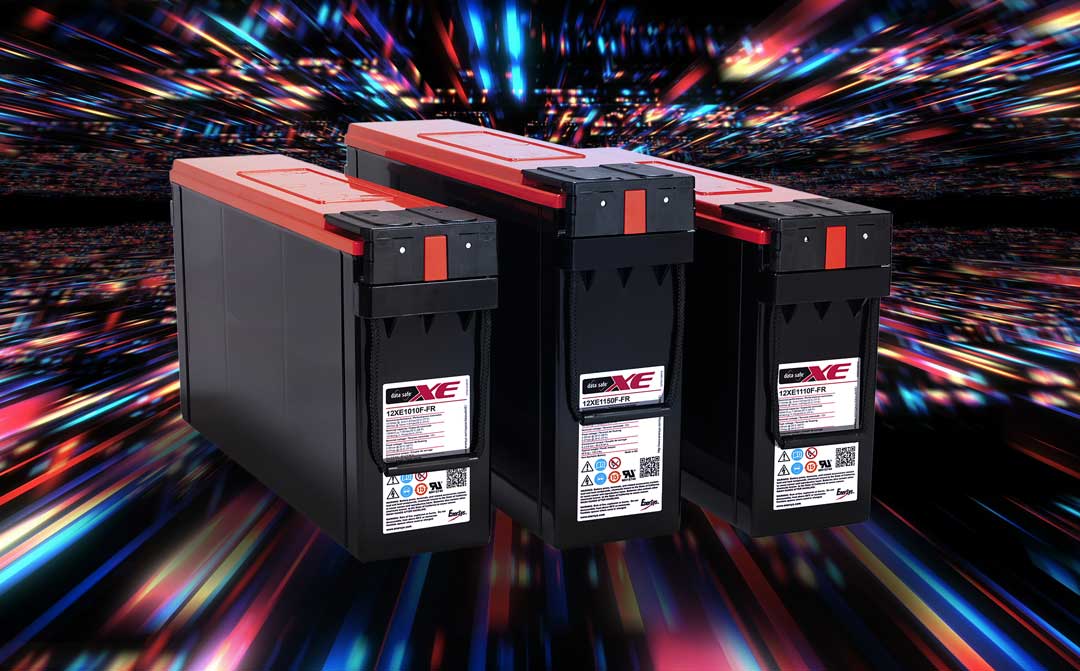
Advanced Thin Plate Pure Lead (TPPL) from EnerSys: 17 months’ shelf-life for unforeseen project delays
Lead-alloy batteries can require top-up charging every 6 months or even more frequently. DataSafe XE with TPPL technology offers a shelf life of up to 17 months before a refresh charge is needed. This means:
- Fewer maintenance cycles during delays.
- Lower electricity consumption.
- Reduced technician time and travel costs.
In short, DataSafe XE helps you keep costs predictable—even when timelines aren’t.
Other essential tips for keeping UPS batteries in storage
Even with long-shelf-life batteries, proper storage practices are critical:
- Store in a clean, cool, and dry area if not immediately installed.
- Follow guidance issued by EnerSys regarding refresh charges and commissioning charges to maintain performance.
|
ARE YOU PREPARED FOR PROJECT DELAYS?
Don’t lose out to lengthy delays. Your data center might also be losing out in other ways you haven’t thought about. Our team might be able to help, starting with a free no-obligation battery consultation.
GET STARTED IN 4 SIMPLE STEPS:
1. FILL OUT THE FORM IN LESS THAN A MINUTE.
2. CONNECT WITH AN ENERSYS EXPERT TO REVIEW YOUR CURRENT SETUP.
3. GET A FREE, NO-OBLIGATION ANALYSIS HIGHLIGHTING HOW TO BE MORE PROJECT DELAY-RESILIENT AND OTHER POTENTIAL COST SAVINGS.